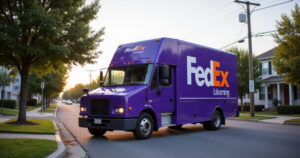

The warehouse and logistics sector employs over 1.8 million people in the United States and continues to expand as e-commerce drives demand for faster fulfillment and delivery. For workers without a college degree, this industry offers some of the highest entry-level wages available — starting at $17–21/hr at major employers, with overtime opportunities that can push annual earnings above $50,000 in the first year.
This guide covers the full landscape: the types of warehouse and logistics roles available, the largest employers, realistic pay by position and experience, certifications that increase earnings, physical requirements, and how to use peak season hiring as a permanent entry point.
Understanding the Sector: Types of Warehouse Operations
“Warehouse work” is a broad category that covers several distinct types of operations, each with different working conditions, pay scales, and career paths.
Fulfillment Centers: These are the facilities that process online orders — Amazon, Walmart, and Target operate the largest networks. Work involves picking, packing, and shipping individual customer orders. The pace is fast, often guided by automated systems and performance metrics.
Distribution Centers (DCs): Distribution centers handle bulk shipments to retail stores rather than individual customers. Walmart, Costco, and Home Depot DCs move pallets and large orders. The work is more physically demanding but typically pays $1–3/hr more than fulfillment center roles.
Sortation and Cross-Dock Facilities: These facilities sort and redirect packages without long-term storage. UPS, FedEx, and Amazon operate sortation hubs. Shifts are often shorter (4–6 hours) and available at non-traditional hours, making them suitable for part-time workers or those balancing other commitments.
Last-Mile Delivery: Drivers who deliver packages directly to customers. Amazon DSP (Delivery Service Partners), FedEx Ground, and UPS employ the largest last-mile workforces. These positions require a valid driver’s license and clean driving record, but typically not a CDL.




Positions and Career Progression
Warehouse operations offer a clear advancement path from entry-level to management, with each step bringing a meaningful increase in compensation.
| Position | Pay Range | Experience Required | Key Responsibilities |
|---|---|---|---|
| Picker / Packer | $17–20/hr | None | Retrieving and packaging orders |
| Forklift Operator | $19–24/hr | Certification (1–2 days) | Moving pallets, loading trucks |
| Warehouse Lead | $21–26/hr | 6–12 months | Supervising a team, managing workflow |
| Shift Supervisor | $50,000–65,000/yr | 1–2 years | Overseeing full shift operations |
| Operations Manager | $70,000–100,000+/yr | 3–5 years | Managing facility operations, P&L |
The transition from picker/packer to warehouse lead is the first critical promotion. It typically requires 6 to 12 months of reliable attendance, demonstrated ability to meet rate targets, and willingness to cross-train across multiple functions. At Amazon, this promotion is formalized through the “Tier 1 to Tier 3” progression and includes a move from hourly to salaried compensation at the supervisor level.
Largest Employers: Who Is Hiring and What They Pay
| Company | Entry-Level Pay | Benefits Start | Shift Differential | Overtime Availability |
|---|---|---|---|---|
| Amazon | $17–21/hr | Day 1 | $0.50–3.00/hr | High (MET during peak) |
| UPS | $16–21/hr | 9 months (PT) | $1.00–2.00/hr | High (especially Q4) |
| FedEx | $17–20/hr | 30 days | $1.00–2.00/hr | Moderate to High |
| Walmart DC | $18–23/hr | 90 days | $1.50–3.00/hr | High |
| XPO Logistics | $17–21/hr | 30 days | Varies | Moderate |
| DHL | $17–20/hr | 60 days | $1.00–2.00/hr | Moderate |
Walmart Distribution Centers consistently offer the highest base pay for entry-level warehouse work, starting at $18–23/hr depending on location. Amazon provides the fastest path to employment and immediate benefits but maintains the most rigorous productivity tracking. UPS is the strongest long-term option for part-time workers, as Teamsters union membership provides premium-free health insurance after 9 months.
Certifications That Increase Earnings
Three certifications can meaningfully increase warehouse pay without requiring extensive training or education.
Forklift Certification: The single most valuable credential in warehouse work. Certified forklift operators earn $2–5/hr more than non-certified workers in the same facility. Certification takes 1–2 days and costs $50–150 if obtained independently. Many employers — including Amazon, Walmart, and UPS — provide free forklift training and certification on the job. If offered, this should be accepted immediately.
OSHA Safety Certification (OSHA 10 or OSHA 30): OSHA 10 is a 10-hour course covering workplace safety fundamentals. OSHA 30 is a more comprehensive version. Either credential demonstrates safety awareness and is valued by employers, particularly for lead and supervisor positions. Cost: $25–90 online through OSHA-authorized providers.
Commercial Driver’s License (CDL): A CDL opens the door to truck driving positions that pay $50,000–80,000+ annually. This is the highest-value certification available for warehouse workers looking to transition into logistics. Training programs take 3–8 weeks and cost $3,000–7,000 — however, many logistics companies (including UPS, FedEx, and XPO) sponsor CDL training for employees who commit to a minimum employment period.
Overtime: How It Works and When to Expect It
Overtime is one of the primary financial advantages of warehouse work. Under federal law (FLSA), hourly employees must be paid 1.5x their base rate for all hours worked beyond 40 in a week.
At a base rate of $20/hr, overtime pays $30/hr. During peak season, employees working 50–60 hour weeks can earn $1,000–1,200+ per week — equivalent to $50,000–60,000 annualized.
When overtime is most available:
- Q4 (October – December): The busiest period across all warehouse operations. Amazon institutes “MET” (Mandatory Extra Time), requiring additional shifts. UPS and FedEx operate at maximum capacity. This is when earnings peak.
- Prime Day / Major sales events: Amazon facilities run extended hours. Other retailers follow similar patterns during Black Friday and back-to-school periods.
- Year-round at high-volume facilities: Some Amazon and Walmart DCs operate at capacity year-round, making regular overtime available outside peak season.
Voluntary overtime (VTO) is offered before mandatory overtime (MET) at most companies. Employees who consistently accept VTO build a strong reputation with management and are prioritized for advancement.
Physical Requirements: What to Expect
Warehouse work is physically demanding, and understanding the requirements upfront prevents surprises and potential injury.
Standard physical expectations for entry-level positions:
- Standing and walking for 8–12 hours per shift on concrete floors
- Lifting up to 50 lbs repeatedly (some positions require up to 70 lbs)
- Bending, reaching, and twisting throughout the shift
- Working in temperature-controlled or non-climate-controlled environments (cold storage, outdoor loading docks)
How to prepare physically:
- Invest in high-quality work boots with composite or steel toe protection and cushioned insoles. This is the single most important equipment purchase — poor footwear leads to fatigue and injury.
- Start with a focus on endurance over the first two weeks. The body adapts, but the adjustment period is real. Most new hires report that physical fatigue peaks during week one and stabilizes by week three.
- Use proper lifting technique consistently: bend at the knees, keep the load close to the body, avoid twisting while lifting. Back injuries are the most common cause of workers’ compensation claims in warehouse settings.
Peak Season (Q4): How to Get In and Stay
The fourth quarter (October through December) represents the single best hiring opportunity in warehouse and logistics. Every major employer adds seasonal staff, and the competition for workers drives up pay and sign-on bonuses.
How to use seasonal hiring as a permanent entry point:
Apply early (September): Seasonal hiring begins in September at most companies. Applying in the first wave means getting the best shift selection and starting training before the peak rush. By November, the best positions are filled.
Outperform the baseline: Seasonal workers who consistently meet or exceed rate targets, maintain perfect attendance, and demonstrate willingness to work overtime are the ones who receive permanent offers. At Amazon, approximately 30–40% of seasonal hires are offered permanent positions.
Express interest in staying early: Within the first two weeks of seasonal employment, inform the direct supervisor that a permanent position is the goal. This is simple but effective — it ensures the employee is evaluated for retention rather than assumed to be temporary.
Typical seasonal bonuses: Sign-on bonuses during Q4 range from $500 to $3,000 depending on the employer and location. Amazon, UPS, and FedEx all offer seasonal incentives that can significantly increase total compensation for the quarter.
Frequently Asked Questions
Do I need experience to work in a warehouse?
No. Entry-level picker, packer, and loader positions require no prior experience. All major employers provide on-the-job training. Physical ability to meet the lifting and standing requirements is the primary qualification.
How much can I realistically earn in my first year?
At $19/hr base pay with regular overtime during peak season, first-year earnings typically range from $42,000 to $52,000. Forklift-certified workers or those in distribution center roles can earn $48,000 to $58,000+. Shift differentials for nights and weekends add an additional $2,000–6,000 annually.
Is a forklift certification worth getting before I apply?
It increases starting pay by $2–5/hr and makes the applicant more competitive. However, many employers provide free certification on the job. If a target employer offers training, it is more cost-effective to obtain certification after being hired. If applying broadly, having certification in advance provides a clear advantage.
What is MET at Amazon?
MET stands for Mandatory Extra Time. During peak periods, Amazon requires employees to work additional shifts beyond their normal schedule. MET is paid at overtime rates (1.5x base pay). It is most common during Q4 and Prime Day events. Employees who do not report for MET shifts receive attendance points, which can lead to termination if accumulated.
How long does it take to get promoted?
The first promotion (to lead or trainer) typically takes 6 to 12 months. Advancement to supervisor or area manager requires 1 to 3 years. Operations manager positions, which pay $70,000–100,000+, typically require 3 to 5 years of progressive warehouse experience.
Is warehouse work sustainable long-term?
The physical demands are significant. Workers who invest in proper footwear, maintain good lifting habits, and pursue certifications (forklift, OSHA, CDL) that move them into less physically intensive roles have the best long-term outcomes. The career progression from floor worker to supervisor to operations manager reduces physical demands at each level while increasing compensation.
Which Warehouse Employer Is Right for You?
| Your Priority | Best Option | Why |
|---|---|---|
| Need a job immediately | Amazon | Hired in 7–10 days, benefits from day 1 |
| Highest base pay | Walmart DC | Starting $18–23/hr, strong shift differentials |
| Best part-time benefits | UPS | Teamsters health insurance, premium-free after 9 months |
| Path to truck driving | UPS / FedEx | CDL training sponsorship for employees |
| Maximum overtime earnings | Amazon (Q4) | MET during peak, consistent VTO year-round |
Warehouse and logistics work offers a straightforward path to above-average earnings for workers willing to meet the physical demands. The combination of competitive base pay, overtime availability, shift differentials, and certification-based advancement creates a compensation structure that rewards consistency and initiative. Workers who enter through seasonal hiring, maintain strong attendance, obtain relevant certifications, and express interest in advancement are the ones who build lasting careers in the industry.