


A modern car is packed with electronics, and electric and hybrid vehicles keep multiplying on the roads. Shops need automotive electricians badly, and the good news is that automotive electrical training can begin online at no cost, before you spend anything on a course or a school.
Price was always the obstacle. Formal training required paying a trade school first, and the paycheck from a shop came much later.
Today it works another way. You can use a free online course to learn wiring, circuits, and diagnostics, then take that head start into real hands-on training.
Advertisement
This guide tells you plainly what a free course does. It builds real foundations and ends with a certificate of completion, yet it is not the ASE certification or the hands-on experience that employers pay for.
Begin a free automotive electrical course
Why automotive electrical training is worth your time
Pay alone makes a strong case. The median wage for automotive service technicians was 49,670 dollars per year in May 2024, per the BLS, and electrical and electronic specialists earn above that base.
The fastest growing slice of the trade is electric and hybrid vehicles. Technicians who prepare early for EV and high voltage systems are setting themselves up for some of the best paid work ahead.
Demand stays steady and goes up. Since every new car adds more electronics, a skilled automotive electrician only becomes more valuable.
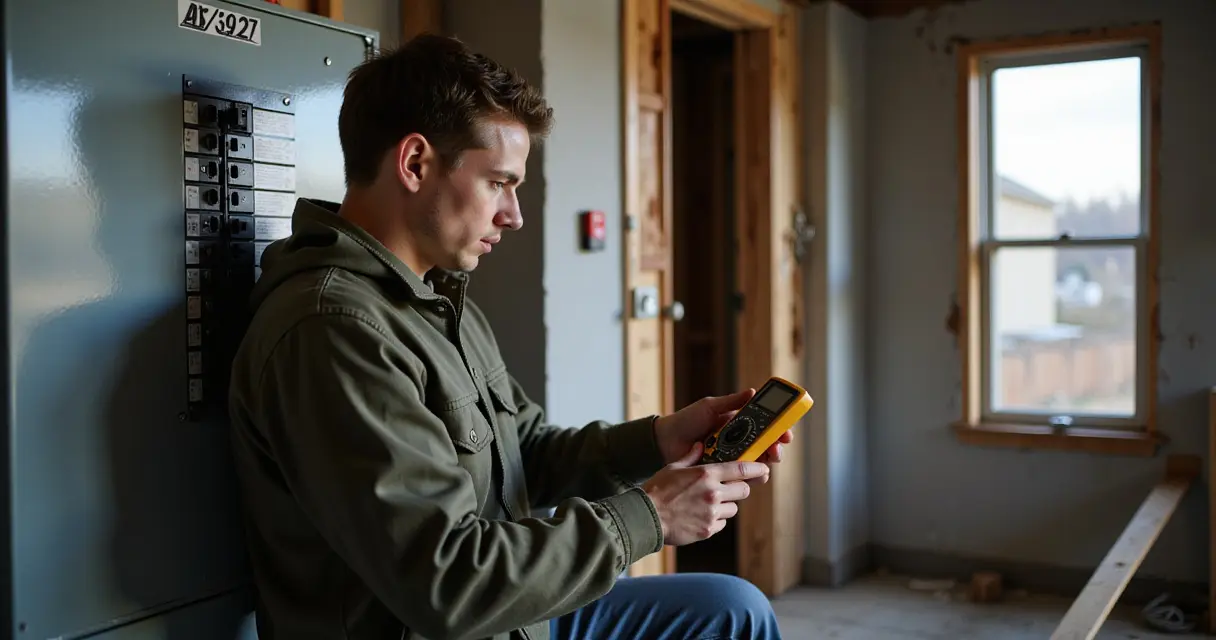


Even better, this career does not ask for a degree. A high school diploma is the usual start, and from there technicians build up through training, an apprenticeship, or shop experience.
Where automotive electricians work and which jobs pay most
Work comes from dealerships, independent shops, EV service centers, and fleets. Electronics are part of every system, so the jobs are spread everywhere.
Pay goes up with specialty and skill. EV and hybrid high voltage work, advanced diagnostics, and dealer specialization all pay above general electrical repair.
Advertisement
Electrical is one specialty within the broader trade. For the general path, our automotive mechanic guide is the place to start.
What an automotive electrician actually does
The role is to diagnose and repair wiring, sensors, batteries, lighting, and the computers that control a modern car. EVs bring high voltage systems into the job as well.
Diagnostics is what the work is built on. Reading fault codes with a scanner and tracing an electrical problem back to its origin is the skill that lifts your pay fast.
Types of automotive electrical work
There are several areas inside automotive electrical, and each one pays off for a different focus. Once you choose, your training and job search get sharper.
Diagnostics and wiring
Most days are spent tracing faults, repairing wiring, and reading vehicle networks. Strong diagnostics raise your pay fast.
EV and hybrid high voltage
Electric and hybrid systems form the best paid and fastest growing part of the field. Specific high voltage safety training is a must here.
Accessories and comfort systems
Lighting, audio, sensors, and climate controls run through electronics too. This is a friendly area for building early skill and confidence.
What certification actually requires: ASE electrical
Let us be honest here. A completion certificate is proof that you studied, and the credential employers value is ASE certification in electrical and electronic systems.
Electrical and electronic systems is a core ASE specialty area. It comes as you gain experience, and it opens the way to EV and hybrid work.
What "free" really covers, and what it does not
The knowledge is free. Circuits, wiring, and diagnostics theory can all be learned without paying, and the certificate you earn shows initiative.
The hands-on hours, the ASE exams, high voltage safety training, and your tools are not. Treat them as separate steps and plan for them honestly.
How online electrical training works, and where it stops
Online training serves the knowledge part well. It shows you how circuits, sensors, and control modules work before you ever lay hands on a live system.
It stops where the hands-on work begins, and that is where safety matters most. No app can show you how to probe a live circuit safely or work near an EV high voltage battery.
See the free course as step one of your training. When you walk into a shop, you will already know the language and the safety rules.
What you need to learn
- Automotive circuits, wiring, and how to read a diagram
- Sensors, control modules, and vehicle networks
- Batteries, charging systems, and starting systems
- Diagnostics with a scanner and a multimeter
- EV and hybrid high voltage safety basics
- How the ASE electrical certification process works
Safety every automotive electrician should know
Safety tops the list of what employers care about, and with electrical work it is critical. Good habits shield you, the vehicle, and the shop.
- Disconnect power and follow lockout steps before you work
- Respect EV high voltage systems and always use rated tools and gloves
- Wear eye protection and handle batteries with care
- Never guess on a live circuit; measure it first
- Follow OSHA-aligned safety practices on every job
Best free and low cost resources
Below are legitimate starting points for automotive electrical training. The ones that lead to real work are often in person and funded, rather than a quick online badge.
- Alison: free online automotive and electronics courses with a completion certificate.
- ASE: the certification employers value, including electrical and electronic systems.
- CareerOneStop: find WIOA funded hands-on training and apprenticeships in your area.
- Community colleges and dealer or EV maker programs: paid, hands-on training on real vehicles.
Welding and fabrication are a useful extra for brackets, mounts, and custom electrical installs, and some technicians add them. A free welding course is a good complement to electrical training; check our free welding course guide.
Is electrical training really free? The honest cost breakdown
| Step | Typical cost |
|---|---|
| Online foundations course | Free |
| Hands-on training at a school or college | Paid, unless WIOA or an employer pays |
| EV high voltage safety training | Paid, often through a program or employer |
| ASE certification exams | Paid, per specialty area |
| Your own tools | Paid, gathered over time |
How long it takes to become an automotive electrician
The free online foundations last from days to a few weeks, depending on your pace. Nothing but your own speed through the course affects that part.
Hands-on training needs more time. Expect a trade program to run from several months to two years, while an apprenticeship builds skill over a few years with pay.
ASE certification also requires real work experience. Starting is free today, but a paid career is a path, and that holds most of all for EV work.
The smartest free path: apprenticeship
The strongest route to real training without debt is an apprenticeship or a dealer program. You learn on real vehicles and collect pay while your skill grows.
It leaves you with real hours and a clear road to ASE certification. If you qualify, WIOA and similar government workforce programs can pay for training too.
Put the free online course to work preparing for the interview and entry test. Coming in with the basics down makes you a stronger candidate.
Can an online course replace hands-on training?
No. Any site saying it can is trying to sell you something; the classroom can be online, the hands-on part cannot, and high voltage work requires real safety training.
Will employers accept your certificate?
As a signal, it works. It shows initiative and that you have the basics down before day one.
As a substitute, it does not. It cannot replace hands-on hours, your tools, or the ASE electrical certification that opens the door to better pay.
Red flags to watch out for
- Sites that promise "ASE certification in days" fully online
- Courses that charge money for a credential they cannot issue
- Pages that say nothing about hands-on work, tools, or EV safety
- Badges calling you "certified" when they only mean "finished the video"
Expanding your skills and pay
Electrical skill pairs well with other high paid paths. Many technicians also train in diesel or earn further ASE certifications so their pay keeps rising.
For the full view, explore all the free training paths in the high-paying jobs hub and settle on the specialty that fits you.
How to move up as an automotive electrician
Moving up comes down to stacking skills and certifications. The start is wiring and diagnostics; the next stages are vehicle networks, advanced electronics, and EV systems.
At this moment, EV and hybrid skill is the strongest lever. As electric cars fill the roads, shops pay a premium for technicians who can work on high voltage systems safely.
Adding ASE certifications keeps raising your value, and specialists tend to become the go-to person in the shop. The free course is the first step, and electrical work has a high ceiling that keeps rising.
Tips to start your automotive electrical career strong
- Finish the free course and save your certificate to prove initiative
- Ask shops and dealers about entry roles so you get near real vehicles
- Buy a good multimeter and basic tools, adding to them as you learn
- Aim for ASE electrical certification as soon as you qualify
- Take every EV high voltage safety training you can get
Technicians who handle the early steps seriously rise faster. The free foundations are the easiest first win, so begin there and keep building real hours.
What to expect on your first shop job
In the first months, your job is to show you are reliable and safe. You will get simpler electrical tasks while you learn the shop, its tools, and its scanners.
A good lead technician checks your work and teaches you diagnostics on the go. The theory from the free course comes up from the very start, which is why completing it pays off.
Show up on time, respect high voltage systems, and keep the questions coming. Your reputation plus a first ASE is what turns a helper spot into a real career.
Frequently asked questions
Can I take an automotive electrician course for free?
Yes. Sites like Alison provide free online automotive and electronics courses that end with a certificate of completion. Hands-on training and ASE are separate steps.
What is the pay for automotive electricians?
They are part of the automotive service technician category, with a median of 49,670 dollars in May 2024 per the BLS. Electrical and EV specialists earn above that.
Is extra training required for EV work?
Yes. EV and hybrid systems operate at high voltage, so a general electrical course is not enough; you need specific safety training and rated tools.
Is automotive electrical a hard skill to learn?
It calls for focus, but the free course teaches the basics step by step. With practice and the right tools, diagnostics gets easier.
How long does it take to train?
The online foundations need days to weeks. Hands-on training lasts several months to two years, and ASE also asks for work experience.
Can the training cost me nothing?
The foundations, yes. Hands-on training may be free as well through WIOA funding or a paid apprenticeship, if you qualify.
Is EV work the real future of this trade?
Yes. Electric and hybrid vehicles are growing fast, and shops need technicians who can safely service high voltage systems. Training now gives you an early start.
Do I have to be strong at math?
Basic math and clear logic are what you need, not advanced math. The free course covers the electrical basics step by step, and practice fills in the rest.
Will an online course by itself get me a job?
It helps as a signal, but most employers look for hands-on skill, EV safety training, and progress toward ASE certification.