

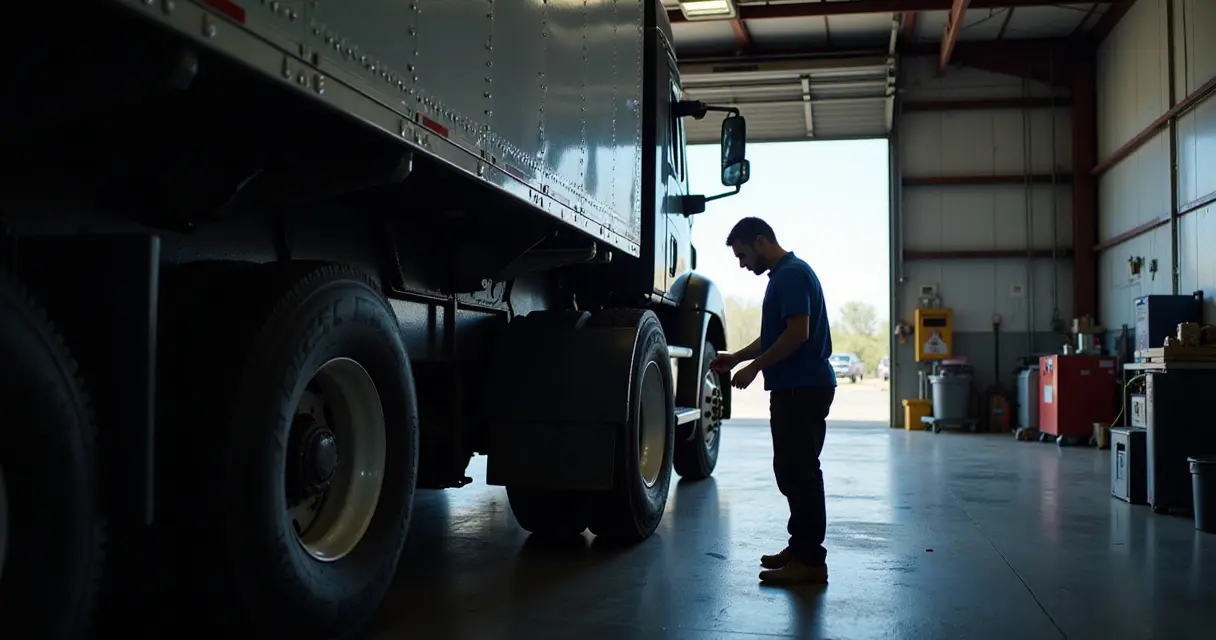
From long haul trucks to city buses and heavy machines, diesel engines do the hard work, and skilled diesel technicians are always needed to keep them going. You can open the door to diesel mechanic training online, free of charge, without paying a cent for a course or a school.
Once, the barrier was cost. Diesel training of any formal kind meant paying a trade school before you ever earned a shop wage.
That barrier has dropped. Free online courses now teach diesel engines, fuel systems, and diagnostics at the beginning, giving you a head start when you move on to real hands-on training.
Advertisement
Here is our honest take on what a free course delivers. It provides real foundations and a certificate of completion, but not the ASE certification and shop experience that employers reward with pay.
Why diesel mechanic training is worth it in 2026
Pay tops the list of reasons. Diesel service technicians and mechanics took home a median wage of 60,640 dollars per year in May 2024, based on U.S. Bureau of Labor Statistics data.
Compared with general auto repair that is higher, and diesel technicians holding ASE certification plus experience go further. Reliable diesel skill is something fleets and trucking firms pay good money for.
Freight runs day and night, which keeps demand stable. The trade evolves, yet trucks, buses, and heavy equipment will keep calling for trained diesel technicians.

Perhaps best of all, you need no degree. A high school diploma gets most technicians started, and training, an apprenticeship, or shop experience does the rest.
Where diesel technicians work and which jobs pay most
Job openings come from trucking fleets, dealerships, bus and transit shops, and heavy equipment yards. Because the work is spread across so many employers, the trade holds steady over the years.
Your earnings grow with specialty and skill. Engine rebuild, emissions systems, and electronic diagnostics pay above general work, with fleet shops often adding benefits.
Advertisement
A few diesel roles require moving trucks, and that is where a commercial driver license pays off. Our CDL guide explains how to get one.
What a diesel technician actually does
Picture a heavy vehicle in the bay: the technician services and repairs its engine, fuel system, turbocharger, brakes, and transmission. Modern diesels are equal parts computer and engine.
Much of the job revolves around diagnostics. Learning to read fault codes and track emissions and electronic problems is the fastest way to raise your pay.
Types of diesel work you can specialize in
The diesel world is wide, and each area values a different strength. Narrowing it down to one gives your training and job search a direction.
Truck and fleet repair
Fleet and over the road trucks account for the most diesel jobs. Steady work, good pay, and an easy path toward a specialty are what you get here.
Heavy equipment and off-road
Diesel runs excavators, loaders, and generators alike. This line of work goes hand in hand with our heavy equipment guide.
Emissions and electronic diagnostics
Current diesels are crowded with sensors and emissions controls. Technicians who become experts at electronic diagnostics are in high demand and command higher pay.
What certification actually requires: ASE diesel
This is the part most sites skip. A completion certificate is proof of study, nothing more, while employers want ASE certification in medium and heavy truck or diesel engines.
There are ASE diesel and truck specialty areas for engines, brakes, electrical systems, and more. You earn them gradually as experience accumulates, and they open the way to better pay.
What "free" really covers, and what it does not
What you get for free is knowledge. Diesel engines, fuel systems, and diagnostics theory are yours without paying, and the finished certificate signals initiative.
What you do not get for free: hands-on hours, ASE exams, and tools. Since diesel technicians normally build their tool set gradually, plan that expense from day one.
How online diesel training works, and where it stops
Where online training shines is the knowledge side. Before you ever grab a wrench, you can cover engine theory, fuel and emissions systems, and diagnostics.
Where it falls short is hands-on skill. There is no app that teaches your hands to rebuild an injector, read a live diesel engine, or perform a real truck diagnostic.
Think of the free course as stage one of your training. Its value is letting you enter a shop already comfortable with the language and the safety rules.
What you need to learn
- Diesel engine components and how they work
- Fuel injection, turbochargers, and emissions systems
- Electrical and electronic diagnostics with a scanner
- Brakes, transmissions, and drivetrain on heavy vehicles
- Shop safety, tools, and clean work habits
- How ASE diesel and truck certification works
Shop safety every diesel technician should know
For employers, safety comes before everything, and a free course starts paying off on this front early. Strong habits protect you, the vehicle, and the shop.
- Follow lockout steps before working on a big engine
- Wear eye protection and gloves for fuel, oil, and hot parts
- Handle batteries and pressurized systems with care
- Keep the bay clean so tools and spills do not cause accidents
- Follow OSHA-aligned safety practices at all times
Best free and low cost resources
The list below holds legitimate entry points into diesel training. Those that actually lead to employment are usually in person and funded instead of a quick online badge.
- Alison: free online diesel and engine courses with a completion certificate.
- ASE: the certification employers value, covering diesel and truck specialty areas.
- CareerOneStop: find local, WIOA funded hands-on training and apprenticeships.
- Community colleges and dealer or fleet programs: paid, hands-on training on real engines.
Welding and fabrication skills come up often in diesel shops, for exhaust, frame, and bracket work. Adding a free welding course to your diesel training is a smart combination, and our free welding course guide shows how.
Is diesel training really free? The honest cost breakdown
| Step | Typical cost |
|---|---|
| Online foundations course | Free |
| Hands-on training at a school or college | Paid, unless funded by WIOA or an employer |
| ASE certification exams | Paid, per specialty area |
| Your own tools | Paid, built up over time |
| Apprenticeship route | You earn while you train |
How long it takes to become a diesel technician
Going at your own pace, the free online foundations can be done in days or a few weeks. How quickly depends on nothing but your own effort.
Hands-on training needs more time. A trade program may take several months to two years, and an apprenticeship develops skill over a few years while paying you.
ASE certification requires real work experience too. The takeaway: you can start free right now, yet a paid diesel career is a path you walk over time.
The smartest free path: apprenticeship
An apprenticeship or a fleet program is the strongest way to get real training without debt. You learn on real engines and collect a paycheck as your skill builds.
You come out with real hours and a clear track to ASE certification. Workforce programs from the government, WIOA among them, can also fund your training if you qualify.
Before the interview and entry test, go through the free online course. Having the basics down already makes you a more convincing candidate.
Can an online course replace hands-on training?
No. A site that tells you it can is trying to make a sale. Lessons belong online, but turning a wrench happens in a shop, on real engines, over real hours.
Will employers accept your certificate?
As a signal, they will. The completion certificate demonstrates initiative and a grasp of the basics before your first day.
As a substitute, they will not. Hands-on hours, your tools, and the ASE certification tied to better pay remain necessary.
Red flags to watch out for
- Sites promising "ASE certification in days" fully online
- Courses that charge for a credential they cannot issue
- Pages that never mention hands-on work, tools, or real experience
- Badges that say "certified" when they only mean "finished the video"
Expanding your skills and pay
Diesel goes well with other high-paid skills. Many technicians step into automotive electrical and EV work or collect further ASE certifications.
For the complete overview, read our main automotive mechanic guide and look through all the free training paths in the high-paying jobs hub.
How to move up as a diesel technician
Rising in diesel means adding skills and certifications over time. You begin with basic service and grow into engines, emissions, and electronic diagnostics as your learning deepens.
Each ASE certification lifts your worth, and fleets commonly pay a premium for a technician who can take on the whole truck. Specialists in emissions or electronics earn especially well.
Further up, technicians become shop leads or service managers, and some open shops of their own. The free course is just step one, and diesel keeps a high ceiling for those who never stop learning.
Tips to start your diesel career strong
- Finish the free course and save your certificate to show initiative
- Ask fleets and dealers about entry or helper roles to get in the door
- Buy a basic tool set and add to it as you learn
- Aim for your first ASE diesel certification as soon as you qualify
- Say yes to safety training whenever it is offered
People who handle the early steps with care move up sooner. Free foundations are the simplest first win, so start with them and keep building real hours.
What to expect on your first shop job
The first few months are about earning trust as a reliable, safe worker. Basic service and inspections will fill your days while you learn the shop and its tools.
A good lead technician will double check your work and coach you in diagnostics. That is where the free course theory becomes useful at once, so make sure you complete it.
Be punctual, keep your bay tidy, and ask plenty of questions. That reputation, combined with your first ASE, is what turns a helper job into a real diesel career.
Frequently asked questions
Are there free diesel mechanic courses?
Yes. Alison and other sites provide free online diesel and engine courses ending in a certificate of completion. Hands-on training and ASE are separate steps.
How much money do diesel mechanics make?
Diesel service technicians had a median of 60,640 dollars per year in May 2024, according to the BLS, a figure above general auto repair.
Must a diesel technician have a CDL?
Not always, but it is useful. Shops that need trucks moved favor a CDL, which expands your job options. Rules vary by employer and state.
Is diesel harder to learn than regular auto mechanics?
It is different rather than harder. Diesel systems are bigger and rely on different fuel and emissions technology, but diagnostic skills from auto repair transfer over.
What is the timeline for diesel training?
Online foundations need days to weeks. Hands-on training spans several months to two years, and ASE also requires work experience.
Is it possible to train in diesel for free?
The foundations, yes. Hands-on training can also cost nothing through WIOA funding or a paid apprenticeship, if you qualify.
Will diesel jobs vanish as electric vehicles arrive?
No. Heavy trucks, buses, construction equipment, and generators depend on diesel for the foreseeable future, keeping trained diesel technicians in demand.
Does diesel work happen outdoors?
Mostly indoors, in shops. Some fleet and roadside roles involve outdoor work, and heavy equipment or field service positions can take you on site.
Will an online course alone be enough to get hired?
It helps as a signal, but most employers want hands-on skill and progress toward ASE certification for the position.